Education, opportunities, and technology: Four weeks in China as reflected in my mission
I spent four weeks in China. A whole month full of impressions, conversations, and observations. It is impossible to express everything I saw, experienced, and felt in a blog post. But there is one thing I would like to share: my experiences with education, opportunities, and technology—because my mission is to promote independent self-development through better responsible innovator education that is less dependent on socioeconomic circumstances and grounded in a democracy that is able to act.
Education and society – impressions from conversations
In conversations with locals and expats, it quickly became clear that education in China is closely intertwined with social structures.
- Women, together with grandparents, take on a large part of the child-rearing.
- The quality of schools varies greatly depending on location.
- Apartments near good schools are extremely expensive. Educational opportunities are therefore directly dependent on income.
- To ensure their children have access to good schools, couples often remain officially married even if the relationship has long since ended.
This creates an image of education as a scarce commodity that is not equally accessible to all – a pattern that is also evident in other countries, but is particularly visible in China due to the interplay of family, place of residence, and income.
Insights at WORLDDIDAC Asia 2025 in Hangzhou
I spent three days visiting WORLDDIDAC Asia in Hangzhou – an international education fair that presented innovations in four halls:
- Teacher training & use of technology: Lectures (in Chinese) on continuing education, didactics, and digitization.
- School equipment & laboratories: From classic equipment to fully digitized blackboards.
- Innovations & games: New teaching instruments, EdTech tools, and interactive forms of learning.
- Robots & AI: From learning robots for children to AI courses for engineers learning to code with Raspberry Pi.
Impressive systems were presented for universities: AI platforms that connect entire universities – from student administration to industrial cooperation – or outdoor Wi-Fi for campus-wide digitization strategies.
Universities in transition – access and dynamics
Access to universities proved challenging. Official inquiries via LinkedIn, email, or WeChat went unanswered. Even innovation travel providers from Germany are more likely to open doors to companies than to universities. It was only through personal networks that I was able to gain insights:
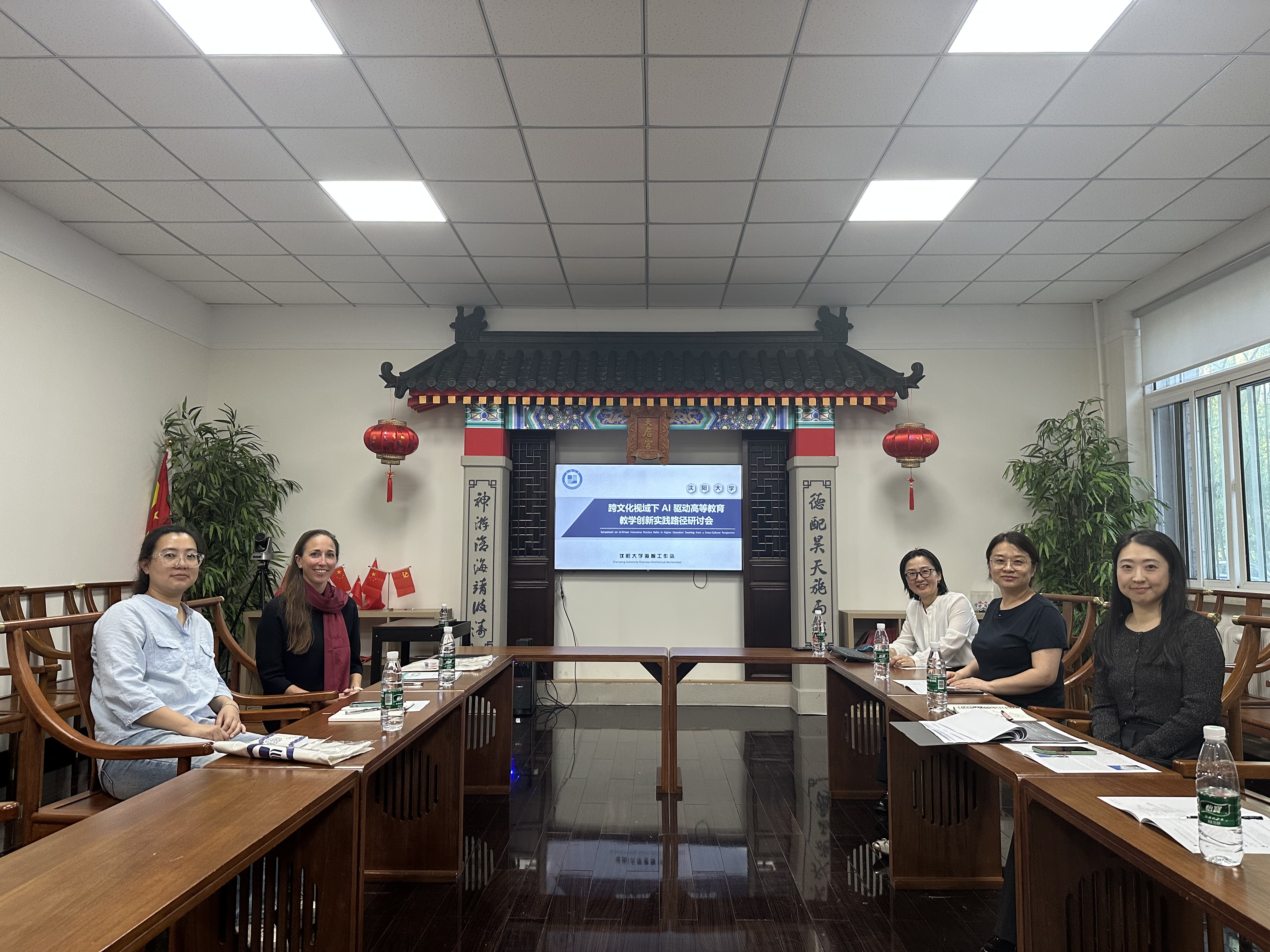
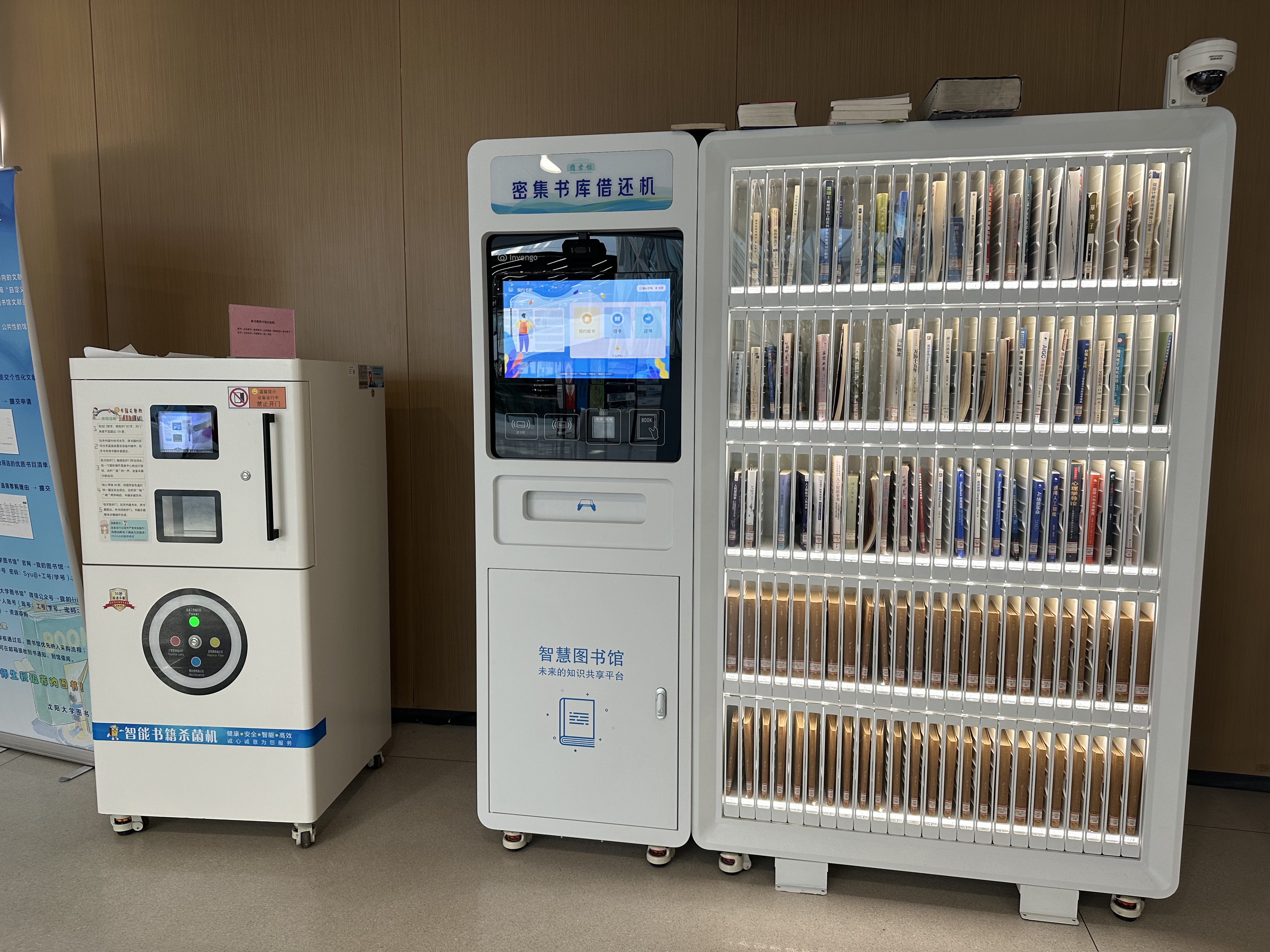
- Shenyang University: A compact campus with a global outlook. International collaborations (including with the University of Heidelberg) and a globally renowned library show how strongly tradition and the future are linked here.
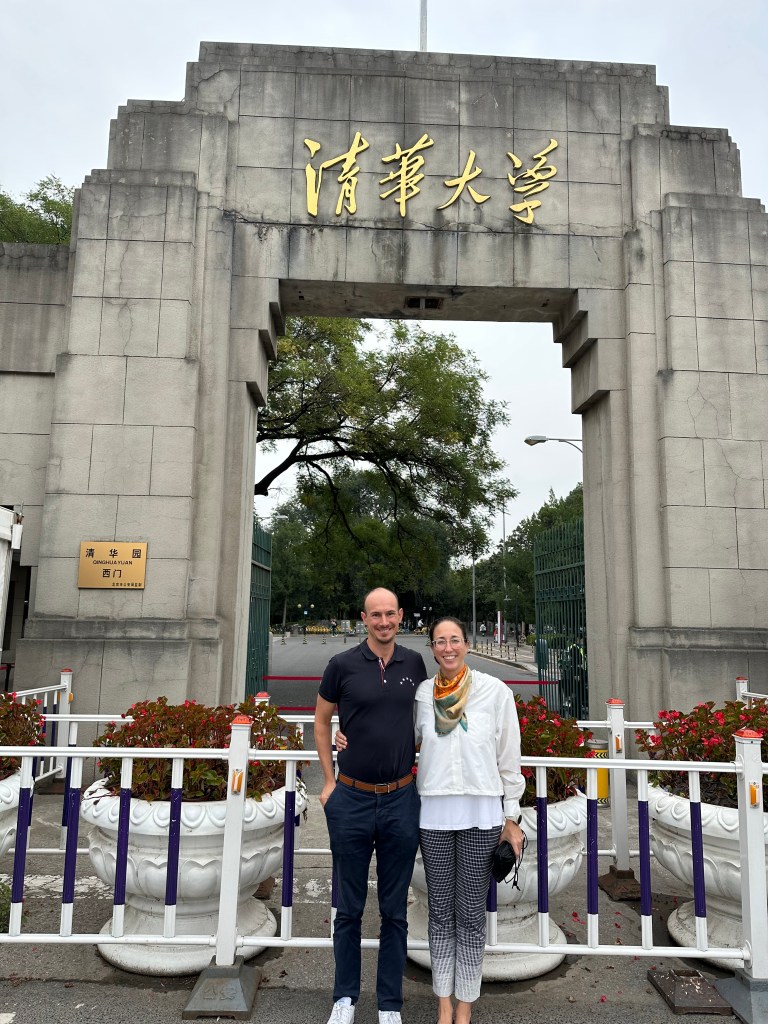
- Tsinghua University: A huge campus with strong symbolic power – parents pose with their children in front of the gates as an ideal image for an academic future. Tsinghua plans to transform teaching based on digital twins of teachers and students. Research projects are moving rapidly: a medical robot was in the hospital after only two months in the lab. Collaborations with TUM are active.
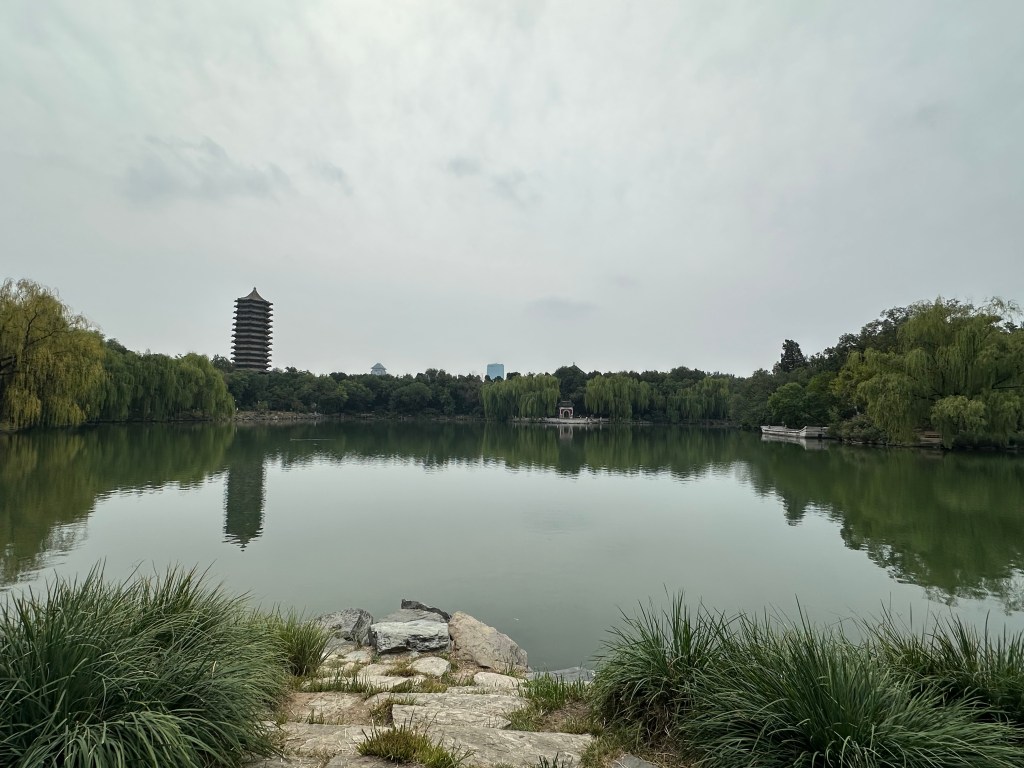
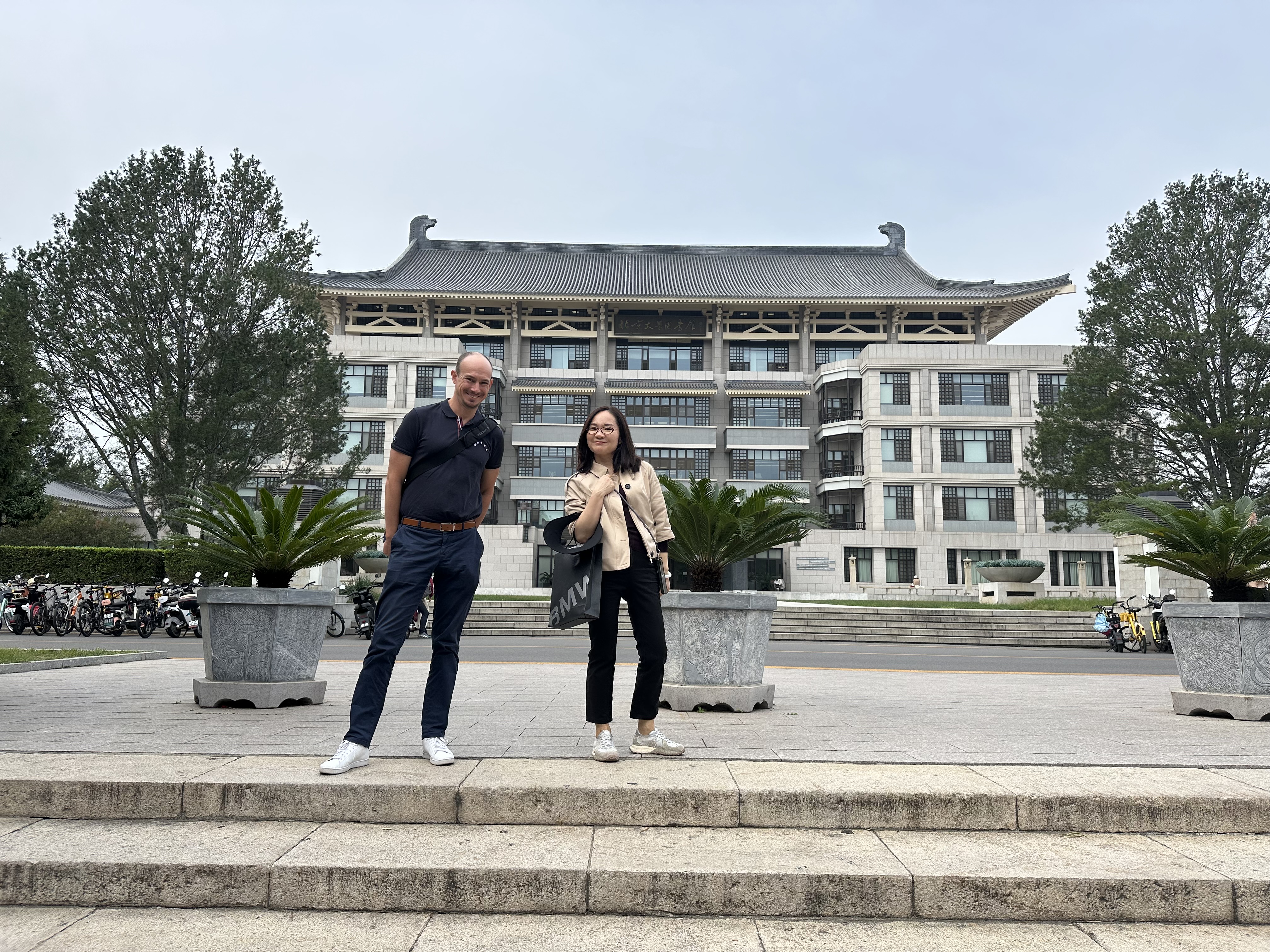
- Peking University: A campus that combines tradition and modernity. Access to the renowned management school is strictly regulated. The openness to international research is striking: the dean of educational technologies is already collaborating with LMU and is looking for further partners.
What does this mean for us?
China demonstrates in a fascinating way how closely education, innovation, and social dynamics are intertwined. On the one hand, it is clear how much educational opportunities depend on the socioeconomic environment. On the other hand, there is an impressive speed of research and implementation – especially in the field of technology and robotics.
For us in science, teaching, and business, this means two things:
- We need education systems that open up opportunities regardless of income. Democracy thrives on participation, not selection.
- We must learn to combine speed with responsibility. Innovation can and should come to market quickly – but with a clear view of the social consequences.
My conclusion: Education is the key to self-development – in China as in Germany. The question is how we design systems that not only reward performance and prosperity, but also unlock innovation potential.

 Prof. Dr. Sabrina Schork